
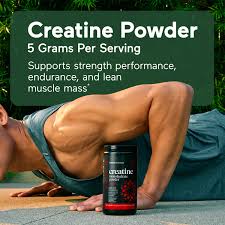
Creatine Monohydrate: The Complete Scientific Truth About Benefits, Risks, and Long-Term Safety
By | Jan 09, 2026
Creatine Monohydrate: The Complete Scientific Truth About Benefits, Risks, and Long-Term Safety
Introduction
Creatine monohydrate is one of the most widely researched and commonly used dietary supplements in the fitness and sports nutrition industry.
Despite its popularity, many athletes and consumers still question its safety, effectiveness, and long-term health impact.
This article presents a clear, evidence-based overview of creatine, supported by peer-reviewed medical studies, without hype or misinformation.
What Is Creatine Monohydrate?
Creatine is a naturally occurring compound synthesized in the human body from amino acids (arginine, glycine, and methionine).
Approximately 95% of creatine is stored in skeletal muscle, where it plays a critical role in energy production.
Supplemental creatine monohydrate increases intramuscular creatine stores, enhancing performance during high-intensity activities.
How Creatine Works in the Body
Creatine supports the regeneration of adenosine triphosphate (ATP), the primary energy molecule used during short bursts of intense exercise.
Increased creatine availability leads to:
- Improved strength output
- Enhanced muscular endurance
- Faster recovery between sets
This mechanism explains why creatine is especially effective for resistance training and explosive movements.
Scientifically Proven Benefits of Creatine
Increased Muscle Strength
Multiple controlled trials have demonstrated that creatine supplementation significantly improves maximal strength and power output during resistance training.
Studies published on PubMed Central report measurable strength gains after consistent use for 4–6 weeks.
Muscle Mass and Lean Tissue Growth
Creatine contributes to lean mass gains through:
- Increased training volume capacity
- Enhanced cellular hydration
- Improved muscle protein synthesis signaling
Contrary to common myths, muscle gain from creatine is not solely due to water retention.
Improved Athletic Performance
Creatine has been shown to enhance performance in:
- Weightlifting
- Sprinting
- High-intensity interval training (HIIT)
Its effectiveness is most pronounced in anaerobic and strength-based sports.
Is Creatine Safe for the Kidneys?
For healthy individuals, scientific evidence consistently shows that creatine does not impair kidney function when used at recommended doses.
Long-term studies published in PubMed Central confirm that creatine supplementation does not negatively affect renal biomarkers in healthy adults.
Important note:
Individuals with pre-existing kidney disease should consult a healthcare professional before use.
Does Creatine Cause Water Retention?
Creatine increases intracellular water retention, meaning water is stored inside muscle cells rather than under the skin.
This effect:
- Enhances muscle fullness
- Supports strength output
- Does not cause bloating or fat gain.
Recommended Dosage and Usage
- Daily dose: 3–5 grams
- Loading phase: Not required
- Timing: Post-workout or any consistent daily time
Adequate hydration is strongly recommended during supplementation.
Who Should Avoid Creatine?
Creatine may not be suitable for:
- Individuals with kidney disease
- Pregnant or breastfeeding women
- People with chronic liver conditions
Medical consultation is advised in these cases.
Frequently Asked Questions
Does creatine cause hair loss?
There is no direct scientific evidence confirming a causal relationship between creatine supplementation and hair loss.
Can creatine be used long-term?
Yes. Long-term studies indicate creatine is safe when used responsibly and within recommended dosages.
Does creatine increase body weight?
Yes, but primarily due to:
- Increased muscle mass
- Intracellular water retention
It does not directly cause fat gain.
Final Verdict
Creatine monohydrate is:
- One of the most studied supplements in sports nutrition
- Scientifically proven to enhance strength and performance
- Safe for long-term use in healthy individuals
When used correctly, creatine offers exceptional value with minimal risk.
Scientific References
- PubMed Central: Clinical trials and systematic reviews on creatine monohydrate
- Long-term safety and performance outcome studies.